Option Buying vs Option Selling: Risk Profiles and Margin in India
A quick guide to the two main ways you can trade equity options in India, how the risk changes when you flip from buying to selling, and why margin matters. By the end you’ll be able to read a payoff chart, spot common pitfalls, and understand how support-and-resistance zones play into the decision.
What it is
Buying an option gives you the right, but not the obligation, to buy (call) or sell (put) a stock or index at a set price before the expiry. Selling an option, also called writing, obligates you to buy or sell if the holder exercises the right. The two sides differ mainly in the amount of capital you need to post (margin) and the shape of the risk profile.
The figure below shows a simple price path for NIFTY, with a support zone drawn from the live levels that GetMyLevels calculates on the chart.
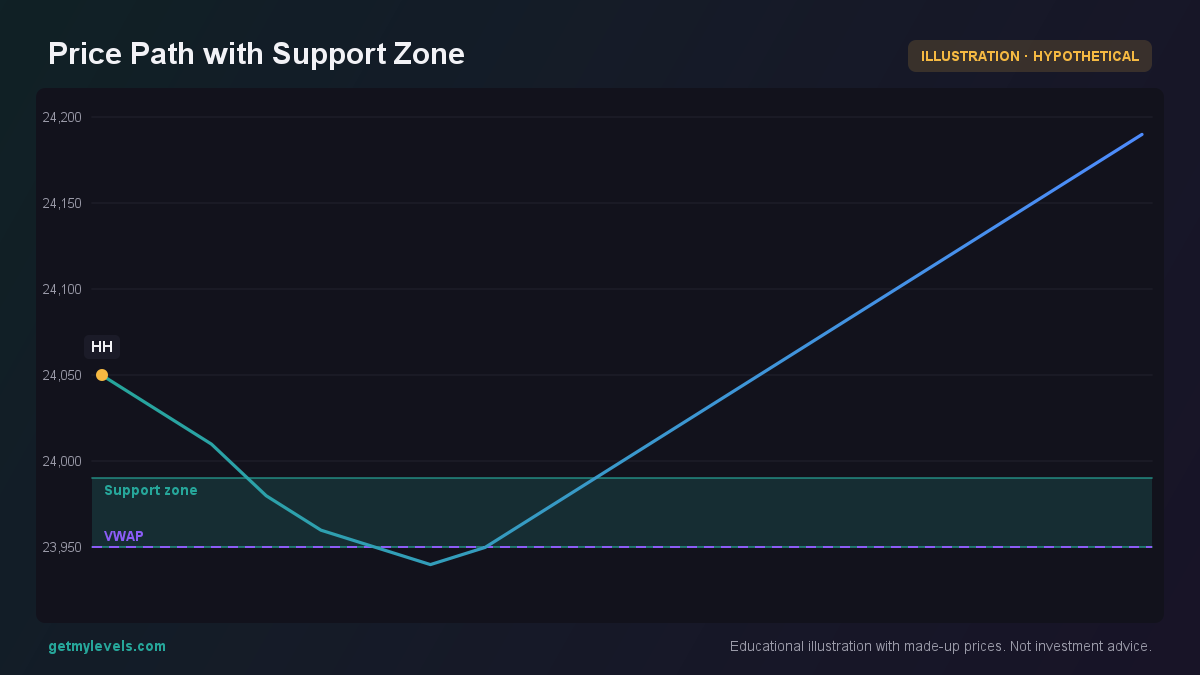 Figure 1: Notice how the price dips into the support zone and then climbs back up
What to notice: The price touches the support zone (23,950–23,990) and then bounces back, which is a typical pattern traders watch. The VWAP line gives a reference level that often aligns with the support.
How traders read it (worked example)
Let’s walk through a hypothetical trade.
Suppose NIFTY is at 24,000 today and the nearest support zone is 23,850–23,900. You are interested in the 24,200-strike call that expires next month.
Buying the call
You pay a premium of ₹150 for one contract. The maximum loss is limited to the premium paid. If the index climbs above 24,200, you start making money; if it stays below, you lose the ₹150 (plus any transaction costs).
The payoff diagram for buying the call is shown below.
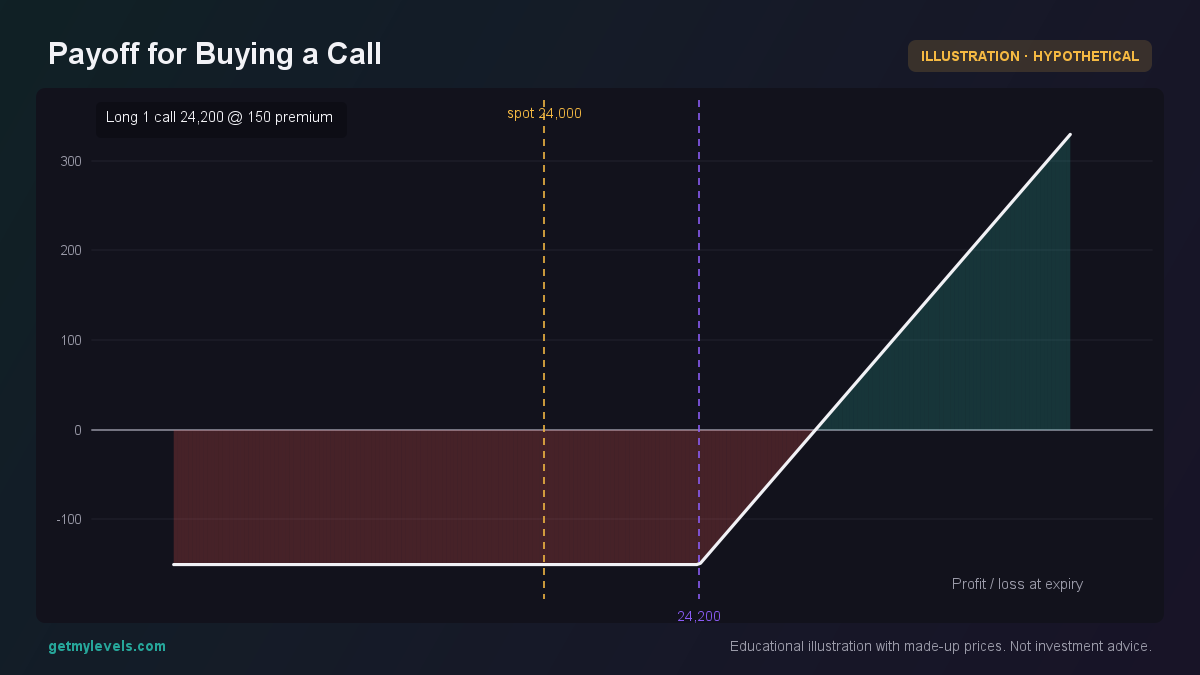 Figure 2: Payoff when buying a call at 24,200 strike
Selling the call
If you sell the same call, you receive the ₹150 premium upfront. You must post margin that is usually a percentage of the underlying value (check the latest NSE/SEBI circulars for exact figures). Your risk is unlimited above 24,200 because if the index surges, you may have to deliver shares at a price lower than the market.
The payoff diagram for selling the call is shown below.
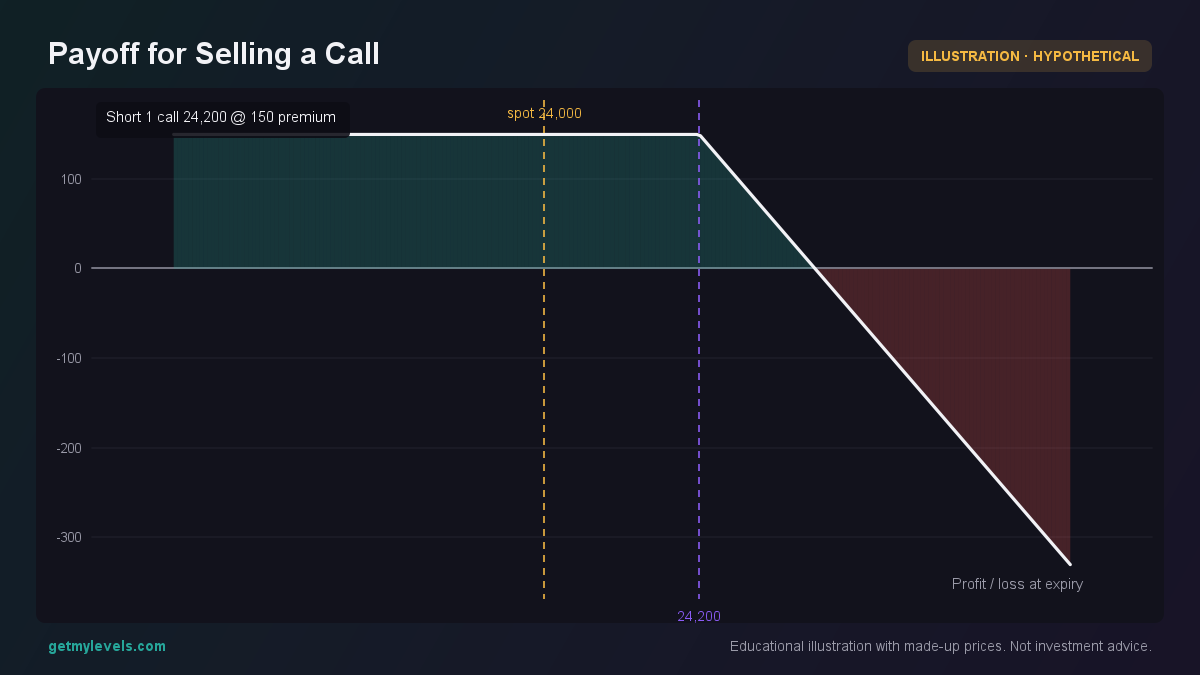 Figure 3: Payoff when selling a call at 24,200 strike
Margin
When buying, the only money you need is the premium. When selling, you need to keep a margin account that covers potential losses. The margin is calculated as a percentage of the underlying index value and can be significantly higher than the premium.
Common mistakes
| Mistake | Why it’s problematic |
|---|---|
| Ignoring open-interest (OI) data | OI shows how many contracts are still open. A high OI at a strike can indicate strong support or resistance. |
| Assuming the premium is the total risk | For sellers, the premium is just the cushion; losses can far exceed it. |
| Treating margin as a one-time cost | Margin is a revolving requirement; if the market moves against you, more margin may be demanded. |
| Overlooking the support-resistance relationship | Buying or selling near a strong zone without understanding the structure can lead to unexpected moves. |
How it fits with support and resistance zones
Support and resistance zones are built from the whole price history across many timeframes. GetMyLevels displays these zones live on the chart, making it easier to see how an option’s strike relates to the broader market structure.
What to notice: The spike in call OI near the strike of 24,200 suggests that many traders are holding bullish positions, which can reinforce the support zone.
Summary
- Buying an option limits your loss to the premium, while selling requires margin and exposes you to potentially unlimited loss above the strike.
- Margin for sellers is a percentage of the underlying index value; it must be monitored continuously.
- Open-interest data helps gauge market sentiment; high OI at a strike can signal a strong support or resistance level.
- Support and resistance zones, as shown by GetMyLevels, provide context for where option strikes sit relative to the broader price structure.
- Avoid common pitfalls such as ignoring OI, underestimating margin, or treating the premium as the whole risk.
By keeping these points in mind, you can approach option trading with a clearer understanding of the risk profile and the role that market structure plays in your decisions. Happy trading!
Written by an AI agent from GetMyLevels level data and checked by automated compliance rules. Educational, not investment advice. Not SEBI-registered.