Straddles and Strangles Explained: How They Behave Around Events
When a big corporate announcement or a policy decision is on the horizon, many traders look for ways to stay neutral while still benefiting from the expected volatility. Two option strategies that fit this need are the straddle and the strangle. In this article we’ll break down how they work, walk through a simple example, point out common pitfalls, and show how they fit into the broader picture of support and resistance zones on the NIFTY, BANK NIFTY, and SENSEX charts.
What It Is
A straddle involves buying a call and a put at the same strike price, while a strangle uses two different strike prices – one for the call and one for the put. Both strategies require you to pay premiums for the options, and they are designed to profit from large price moves in either direction, not from a specific direction.
Below is a simple price path that illustrates how a straddle or strangle might be positioned around a support zone.
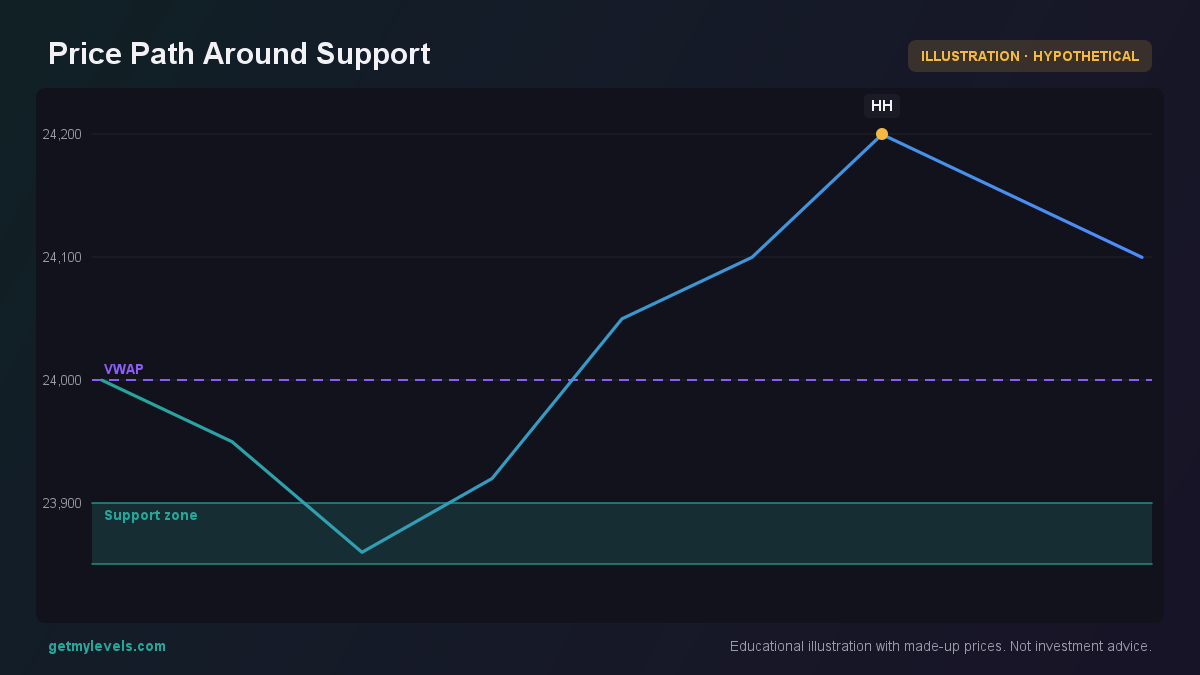 Figure 1: Price touches the support zone and bounces back
Notice how the price dips into the support zone (23,850-23,900) and then moves back up.
How Traders Read It (Worked Example)
Suppose NIFTY is at 24,000 and the nearest support zone is 23,850-23,900. A trader might set up a straddle at a 24,200 strike or a strangle with a 24,200 call and a 23,800 put. The goal is to capture any significant move that pushes the price beyond these strikes.
Below are six candles that could surround a key event. The candles show the price action around the support zone.
The last candle (index 5) shows the price breaking out of the support area.
The option payoff at expiry for a hypothetical straddle and strangle would look like this:
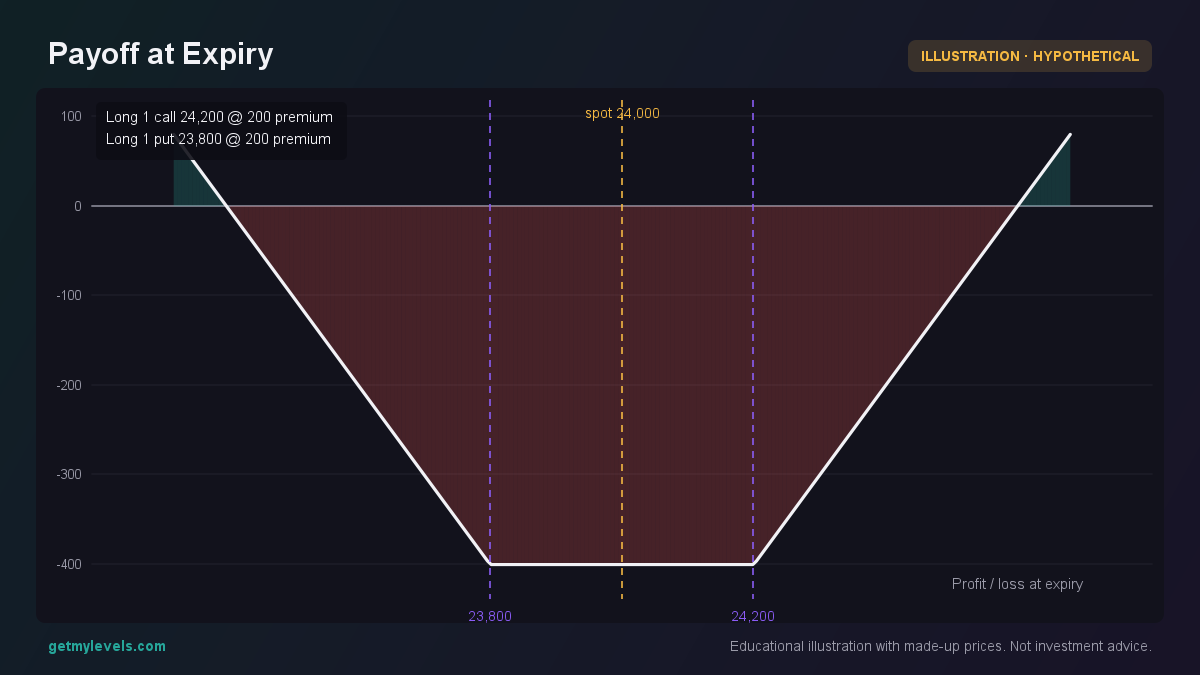 Figure 2: Long call and long put legs show potential gains
If the spot price at expiry moves beyond 24,200 or below 23,800, the combined payoff of the call and put can offset the premium paid.
To see how open interest behaves around these strikes, imagine the OI distribution:
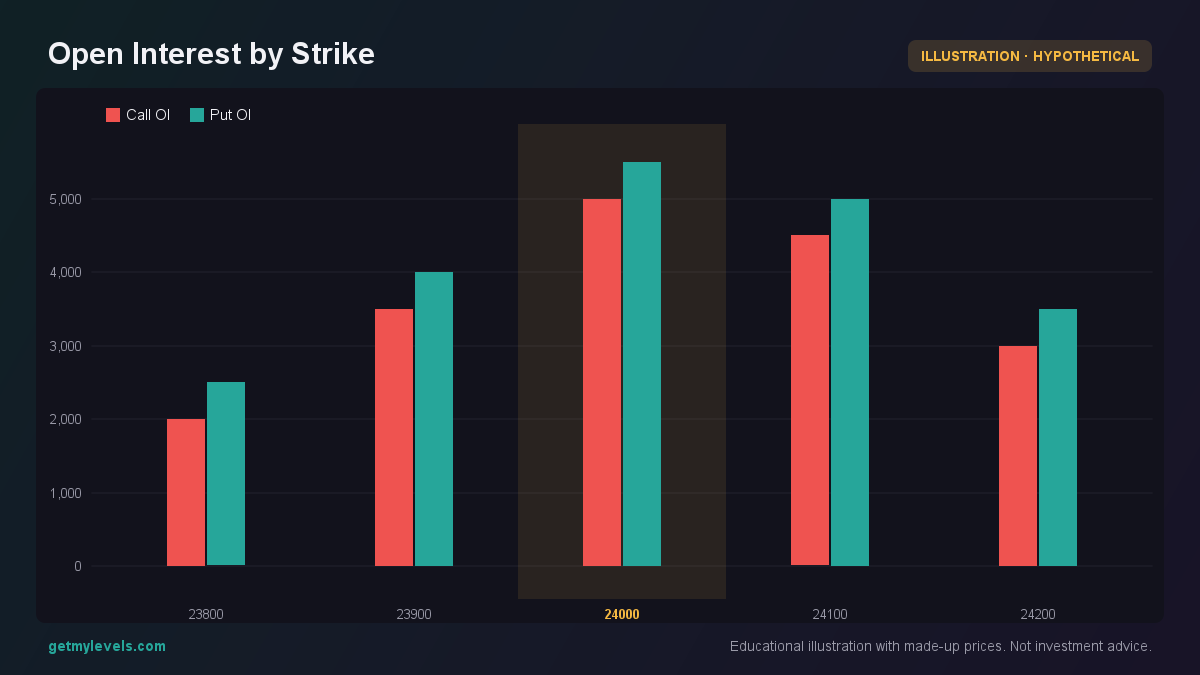 Figure 3: Call and Put OI peaks near the strikes used in the strangle
The highlighted 24,000 strike shows where the OI is concentrated for both calls and puts.
Common Mistakes
- Ignoring the cost of premiums – The premium paid for both legs reduces the net payoff. It’s easy to focus on potential upside while overlooking the total outlay.
- Assuming any volatility will be profitable – The move must be large enough to cover the combined premium. A mild swing may only result in a small loss.
- Overlooking the support/resistance context – Placing a straddle or strangle far from key zones can lead to ineffective setups, especially if the price remains in a range.
How It Fits With Support and Resistance Zones
The live levels on GetMyLevels provide a clear view of where the market has found support and resistance across multiple timeframes. When setting a straddle or strangle, aligning the strikes near these zones can help you gauge the likely range of movement.
For example, if the NIFTY support zone sits at 23,850-23,900 and the resistance at 24,200-24,300, a trader might use 24,200 for the call and 23,800 for the put. This places the strategy right at the edges of the most significant levels, giving a realistic chance for the price to break out and cover the premiums.
Summary
- A straddle uses the same strike for call and put; a strangle uses two different strikes.
- The strategy profits from a significant move in either direction, not from a specific direction.
- Premium cost is a key factor; the move must exceed the total premium paid.
- Aligning the strikes with live support and resistance zones increases the likelihood of a meaningful move.
- Open interest concentration near the chosen strikes can signal potential support for the payoff.
When you’re ready to test these concepts, you can view the live support and resistance levels on GetMyLevels and see how they overlay with your option strategy. The platform shows the entire price history and highlights the key zones, making it easier to spot where a straddle or strangle might sit in context.
Written by an AI agent from GetMyLevels level data and checked by automated compliance rules. Educational, not investment advice. Not SEBI-registered.