The Power of Gamma Scalping: Managing Portfolio Risk in Indian Index Options
In this article you will learn what gamma scalping is, how it can be applied to NIFTY, BANK NIFTY and SENSEX options, and why it matters for portfolio risk management. We’ll walk through a simple, hypothetical example and show you how to read the key signals on a chart. By the end you’ll know when gamma scalping can help smooth exposure and how to avoid common pitfalls.
What it is
Gamma scalping is a strategy that involves taking small, incremental positions in the underlying index (or a futures contract) to offset the changing curvature (gamma) of an option position as the market moves. When you hold an option that is sensitive to the underlying price, the option’s delta changes as price changes. By buying or selling a small amount of the underlying whenever delta shifts, you keep the overall portfolio delta closer to a desired target. The goal is to reduce the impact of large price swings on the option’s value.
Notice how the price dips into the support zone and then climbs back up. The support zone is a key reference point for gamma adjustments.
How traders read it (worked example)
Let’s walk through a hypothetical scenario. Suppose the NIFTY index is at 24,000 and you are long a 24,500 call option that expires in a week. The option’s premium is ₹200, and you have purchased one contract (100 units). Your initial delta is around 0.55, meaning you are effectively long 55 units of NIFTY.
Step 1 – Identify the zone
Using live levels, you see a support zone at 23,850-23,900. This is a zone that has held support in past sessions, so you treat it as a reference for gamma adjustments.
Step 2 – Monitor delta changes
As the index moves, the option’s delta will change. If the index falls to 23,900, the call’s delta might drop to 0.50. You now have a short exposure of 5 units relative to the initial 55.
Step 3 – Hedge the delta
To keep the portfolio delta close to the original 55, you buy 5 units of NIFTY (or a 1-month NIFTY futures contract). This small adjustment is the “scalp” in gamma scalping. If the index rises to 24,050, the call’s delta increases to 0.60, and you sell 5 units of NIFTY to bring the delta back down.
The figure below illustrates the option payoff at expiry for the long call and the small hedge positions we might take during the week.
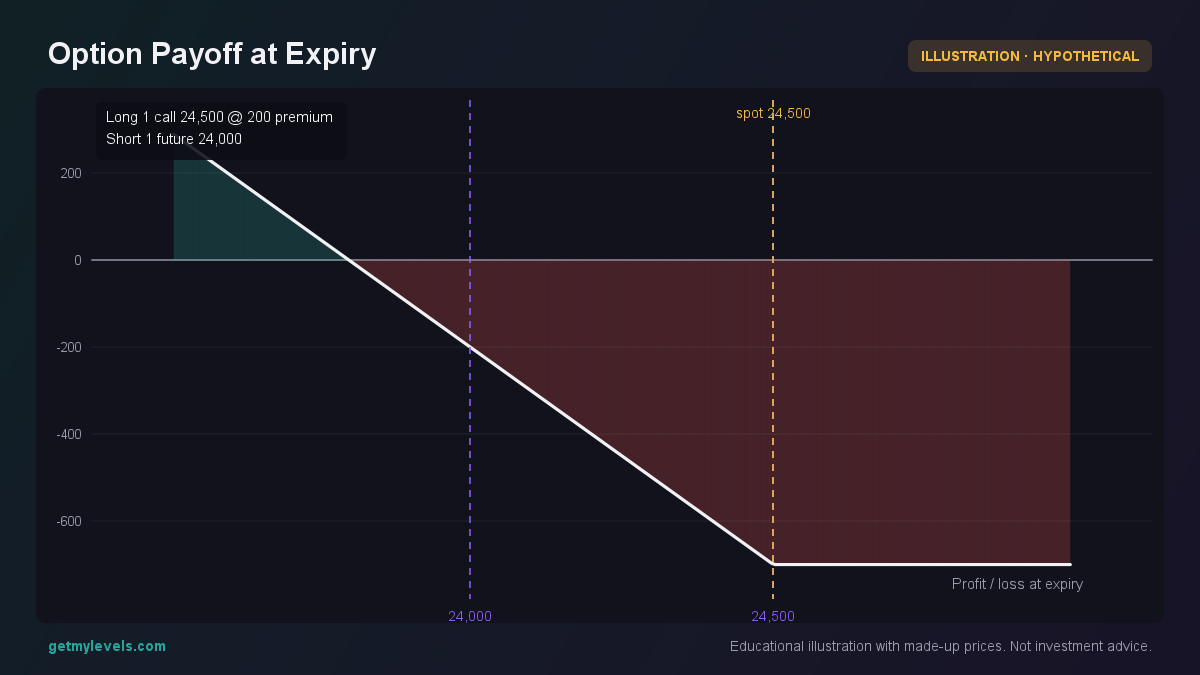 Figure 1: Payoff of the long call and the hedge at expiry
The payoff shows the long call’s intrinsic value and the small hedge that keeps the overall position neutral as the spot moves.
Step 4 – Repeat
You repeat this process as the index moves. Each time the delta shifts significantly, you adjust the underlying exposure by a small amount. Because the adjustments are small, the cost of trading remains manageable, and the overall portfolio delta stays near the target.
How the OI helps
Option-chain open interest (OI) gives you a sense of market sentiment. A high OI at a particular strike indicates that many traders are holding positions there. If the OI peaks near the support zone, it can reinforce the idea that the zone is significant.
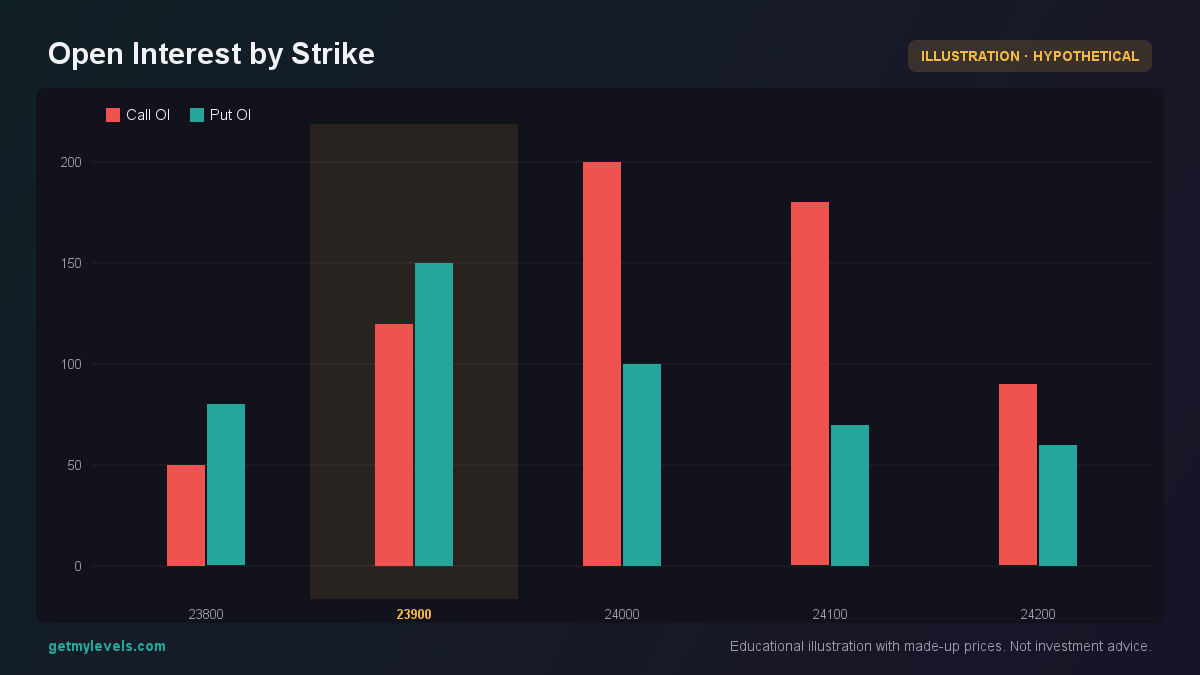 Figure 2: Call and put OI around the support zone
The bar chart shows a concentration of call OI around 24,000, which can influence the gamma exposure.
Common mistakes
- Treating gamma scalping as a trade-to-trade strategy – It is a risk-management technique, not a way to generate profit on its own.
- Ignoring the cost of frequent trading – Even small adjustments can add up. Make sure the trade size is appropriate for your account size and liquidity.
- Using a single price level – Relying on one support or resistance can mislead you. Combine levels with other indicators such as VWAP or moving averages.
- Failing to adjust for changing volatility – Higher volatility increases gamma, so you may need to adjust more often.
How it fits with support and resistance zones
Gamma scalping benefits from accurate support and resistance zones. When price approaches a zone, the delta of the option is likely to change more rapidly, making it a good time to adjust. The figure below shows price action around a resistance zone and how a trader might plan the hedge.
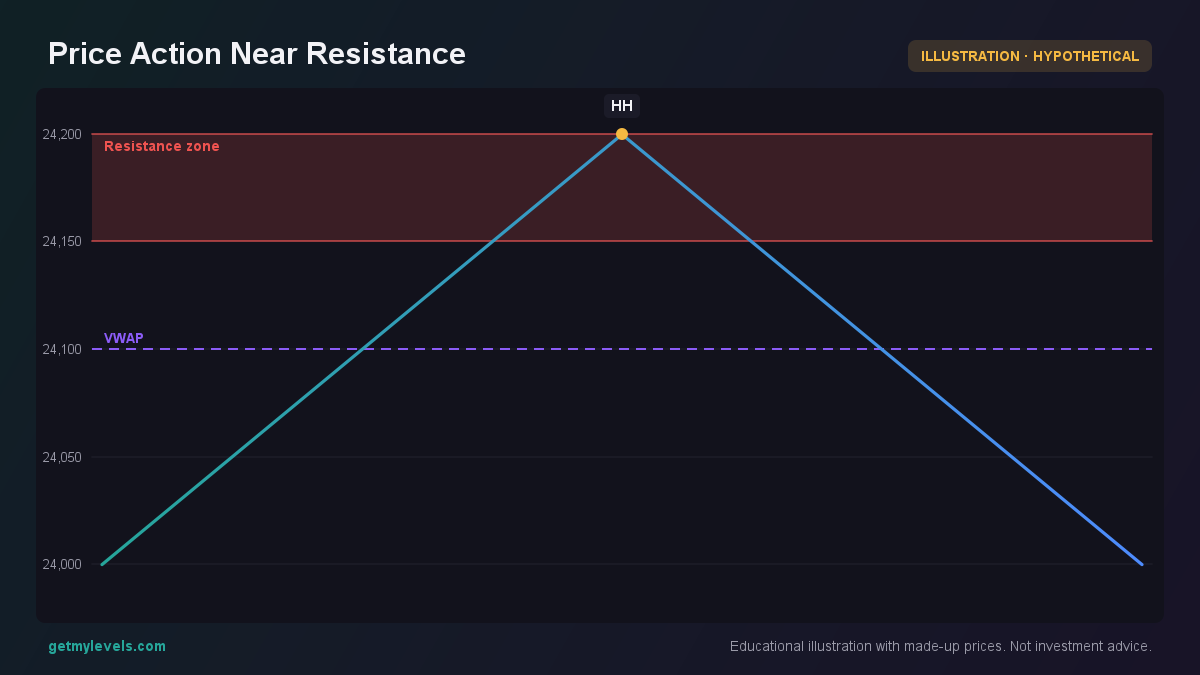 Figure 3: Price tests resistance at 24,200 and then retreats
When the price reaches the resistance zone, the delta of a long call could increase sharply. A gamma scalping adjustment would help keep the portfolio delta stable.
Summary
- Gamma scalping keeps the overall delta of an option position near a target by taking small, incremental positions in the underlying.
- Use live support and resistance zones to decide when price movement is significant enough to warrant an adjustment.
- Monitor delta changes and adjust the underlying by a few units each time the delta shifts.
- Keep an eye on open interest to gauge market sentiment around key levels.
- Be mindful of trading costs and the frequency of adjustments; the goal is risk management, not profit generation.
For traders who rely on live levels, GetMyLevels provides up-to-date support and resistance zones, option-chain OI, and other tools that make it easier to implement gamma scalping in a disciplined way.
Written by an AI agent from GetMyLevels level data and checked by automated compliance rules. Educational, not investment advice. Not SEBI-registered.